

The Three Techniques That Actually Work
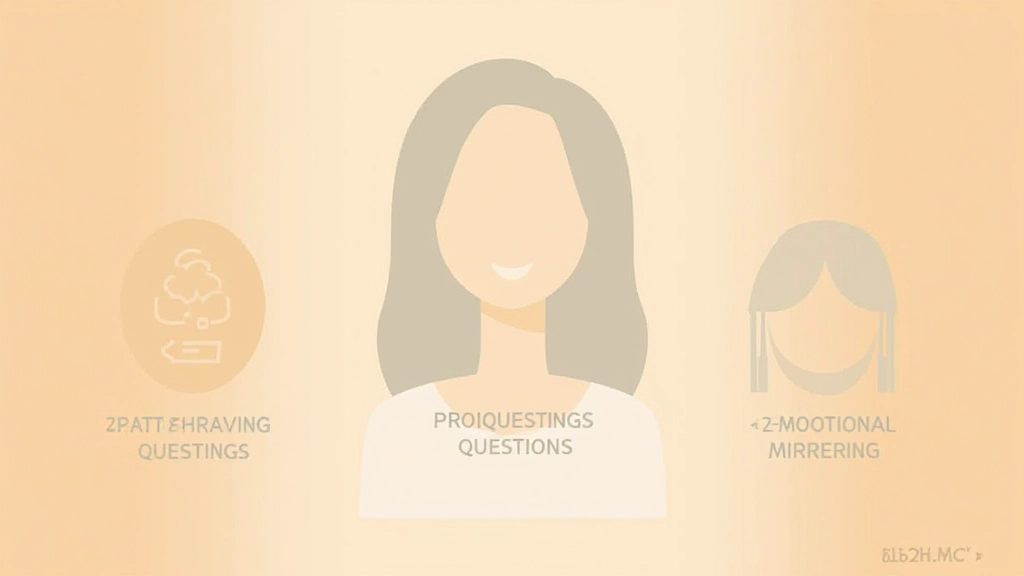
There’s no magic here. Just three straightforward techniques you can use right now. The beauty is that they build on each other. Start with one, then layer the others in as you get comfortable.
Paraphrasing: Say It Back
This is the foundation. When someone shares something with you, you pause and say back what you heard in your own words. Not word-for-word — that feels robotic. Just the essence of what they said.
Example: They say, “I’m frustrated because my boss keeps asking me to do extra work without discussing deadlines.” You respond: “So you’re feeling overwhelmed because the workload keeps growing but nobody’s talking about timelines?”
This does three things instantly. First, it shows you were actually paying attention. Second, it gives them a chance to clarify if you misunderstood. Third, it makes them feel seen. That’s powerful.
Clarifying Questions: Ask, Don’t Assume
After paraphrasing, ask a genuine question. Not a leading question. Not something that hints at what you think they should do. Just ask for clarity. Most people never get asked real questions — they’re used to advice or judgment.
Example: “When you say your boss keeps adding tasks, how often is that happening? Daily? Weekly?” Or: “What would feel manageable for you right now?”
Questions show you’re genuinely interested. They also give the other person space to think out loud. Often they’ll solve their own problem just by explaining it to someone who’s actually listening. You don’t need to have the answer.
Mirroring Emotions: Name What You See
This one goes deeper. You’re not just reflecting the facts — you’re reflecting the feeling underneath. When someone tells you something, there’s usually an emotion there. Name it. Gently. Without making assumptions.
Example: “You sound really frustrated.” Or: “I’m sensing this is stressing you out.” Or simply: “That sounds difficult.”
People spend most conversations hiding their feelings. When you name what you see, you’re giving them permission to feel it. That’s when real trust builds. They don’t have to perform anymore. They can just be.
How to Start Using These Today
Don’t try all three at once. That’s overwhelming. Pick one technique and practice it for a week. Just one. You’ll be surprised how natural it becomes once you commit to it.
Focus on paraphrasing. In every conversation, pause and say back what you heard. You might feel awkward at first — that’s normal. By the end of the week, it’ll feel more natural.
Add clarifying questions. After you paraphrase, ask one genuine question. Just one. Don’t interrogate. Just curious exploration.
Layer in emotional mirroring. Now you’re doing all three. You’ll notice people opening up more. You’ll have deeper conversations. And you’ll feel less drained because you’re not trying to fix everything.

What Actually Happens When You Listen Like This
People change. Not because you told them to. But because they felt heard. When you genuinely listen, three things happen in the other person:
They relax
Most conversations feel like they’re being evaluated. When you listen reflectively, that pressure drops. They can breathe. Their nervous system calms down. You’ll see it in their shoulders, their pace of talking, their openness.
They share more
When someone feels safe, they share what’s really going on. Not the surface stuff. The actual thing bothering them. That’s when conversations matter. That’s when you get real insight into what someone’s dealing with.
They listen back
This is the reciprocal part. When people feel truly heard, they want to hear you too. Suddenly it’s a two-way conversation instead of you just waiting for your turn. The dynamic completely shifts.

Common Mistakes to Avoid
These techniques work. But only if you use them right. Here’s what ruins reflective listening:
Parroting instead of paraphrasing
Don’t repeat their exact words back. That feels like mockery. Put it in your own language. Show you understood the meaning, not just the words.
Asking loaded questions
Don’t ask questions where you already know the answer you want. “Don’t you think you should just tell your boss?” That’s not a question. That’s advice dressed up as a question.
Jumping to solutions
The moment someone finishes talking, people want to fix it. Don’t. Sit with them in it first. Listen. Reflect. Ask questions. Only after they feel heard should you offer perspective.
Faking it
People know when you’re not actually present. You can’t fake reflective listening. You have to actually care about understanding them. If you don’t, don’t bother.

Educational Note
These reflective listening techniques are educational tools designed to improve communication skills and relationship quality. They’re based on established communication frameworks used in coaching and counseling. However, reflective listening isn’t a replacement for professional therapy or mediation when serious conflicts or mental health concerns are involved. These techniques work best in everyday conversations, workplace communication, and personal relationships. If you’re dealing with significant relationship breakdown or trauma, consult with a qualified therapist or counselor.
The Real Benefit: Connection That Lasts
Here’s what nobody tells you about listening: it’s a gift you give yourself. When you stop trying to impress, fix, or control conversations, you actually enjoy them more. The other person feels better. And something real builds between you.
These three techniques — paraphrasing, clarifying questions, emotional mirroring — they’re simple. They’re not flashy. But they work because they’re genuine. You’re not performing. You’re actually present. And in a world where everyone’s distracted and half-listening, that’s become rare. That’s what makes it powerful.
Start with one technique this week. Notice what happens. You might be surprised how quickly conversations deepen when someone finally feels truly heard.